The Importance of Ground Water to the Nation
(An excerpt from a Report to Congress on the Ground-Water Resources Program)
Ground water is one of the Nation's most important natural resources.
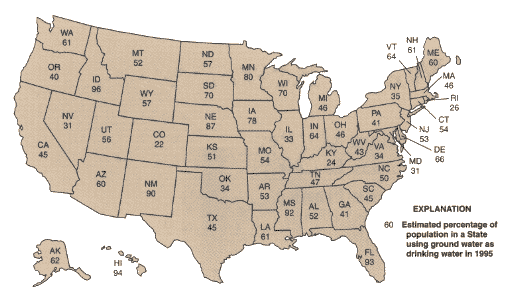
Underground aquifers supply drinking water to about 130 million United
States residents (about 50 percent of the population), and ground water is
used in all 50 States. About 40 percent of the Nation's public water
supply, and much of the water used for irrigation, is provided by ground
water. About 42 million people, including most of the rural population,
supply their own drinking water from individual wells.
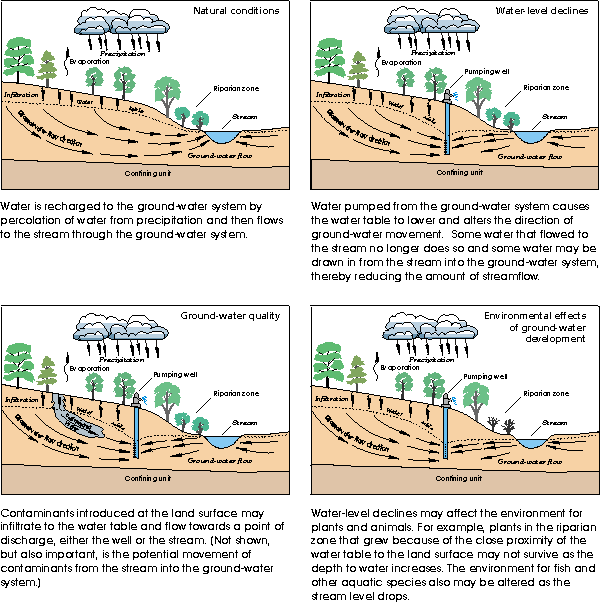
Ground water also plays a crucial
role in sustaining streamflow. During low-flow periods, most streamflow is
derived from ground water. Ground-water pumping decreases the amount of
ground water that flows to streams, or alternately, causes streams to seep
to ground water. As a result, ground-water and surface-water users
commonly compete for the same resource. Ground water also is vital to the
health of lakes and wetlands. Moreover, plants and aquatic animals greatly
depend upon the ground water that discharges to the streams, lakes, and
wetlands in which they live.
( Above images from: A Report to Congress on Ground Water)
References:
Portable Document Format (PDF) of report is at:
If you do not have Adobe® Acrobat® Reader, then you can download it for free at:
http://www.adobe.com/products/acrobat/readstep2.html
Use of this software product does not imply endorsement by U.S. Government.
|